
Breakout Defenders and Goalkeepers From 2026
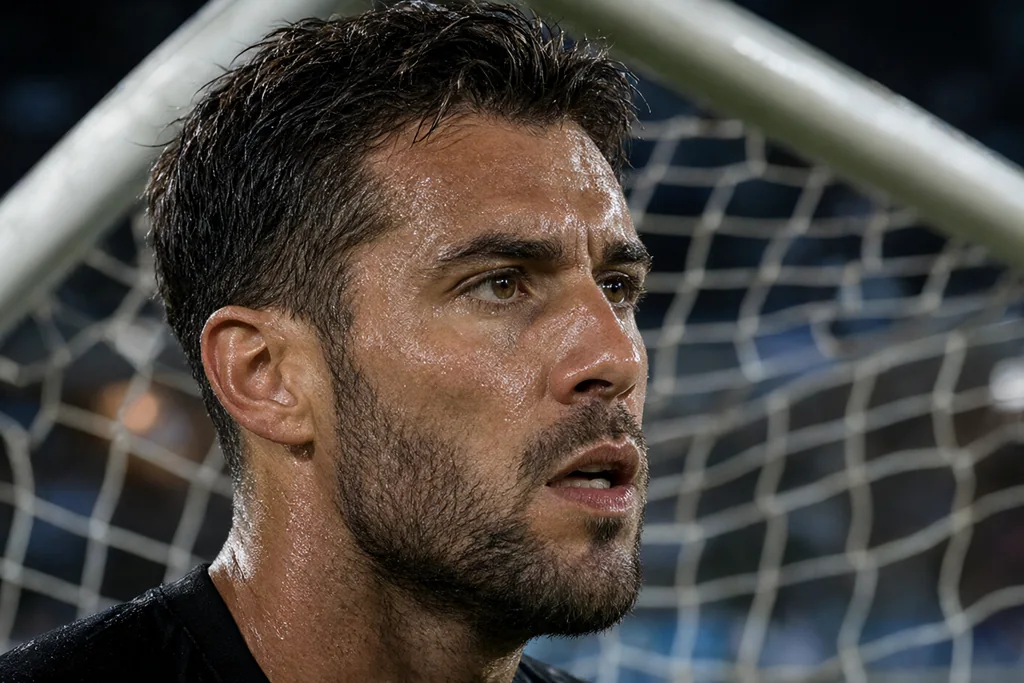
Breakout defenders and goalkeepers are the most reliable products of any World Cup, because they decide the ties that a highlights package forgets. Goalkeepers and centre-backs decide knock-out ties, and the 2026 format, with an extra round and more fixtures in a shorter period, put a premium on defenders who could stay available.
A goalkeeper who saves two penalties or a defender who wins everything in a last-32 tie can change a career in ninety minutes, because those are the moments that eliminate teams and therefore the moments that are remembered.
Breakout defenders and goalkeepers: why knock-out football favours them
Group matches reward attacking output because goal difference matters. Knock-out matches reward the absence of mistakes, and a single controlled performance in a tight tie is often enough to move a defender up a scouting list.
The incentive structure flips. In a league season a defender's error is absorbed by the next fixture, while in a tournament it is the reason the team goes home, and clubs price that exposure into their assessment.
Breakout goalkeepers world cup 2026: the market and the evidence
Goalkeepers are the hardest position to assess from domestic football alone, because shot-stopping statistics vary enormously with the quality of the defence in front of them. A tournament provides a controlled comparison against elite finishing.
Squad sizes also work in their favour. A second-choice goalkeeper at a strong national team can become a starter through injury, and a run of matches in a tournament is often the largest sample of high-level football he has played.
| Condition | Goalkeeper | Defender |
|---|---|---|
| Fixtures in a short period | Concentration across 120 minutes | Recovery between matches |
| Unfamiliar team-mates | Communication with a new back line | Reading a new partner's habits |
| Short preparation | Limited time on set-piece roles | Limited time on a new shape |
| High stakes | Penalty situations | Decision-making under elimination |
| Heat and altitude | Handling and positioning changes | Running load in a back three |
| Extra knock-out round | An additional high-pressure fixture | An additional 90 minutes of load |
The table explains why tournament performance is weighed so heavily in these positions: the conditions are closer to a cup run than to a league season, and clubs read it accordingly.
Centre-backs and the expanded calendar
An extra knock-out round is an extra 90 to 120 minutes for the defenders who play every match. Squads that rotated their back line early in the tournament generally had fresher legs at the end of it, which turned squad depth into a defensive asset.
Left-footed centre-backs and defenders comfortable in a back three remained the scarcest profiles. Their value rose with every tournament in which teams switched between systems mid-competition.
Penalty shoot-outs and a keeper's reputation
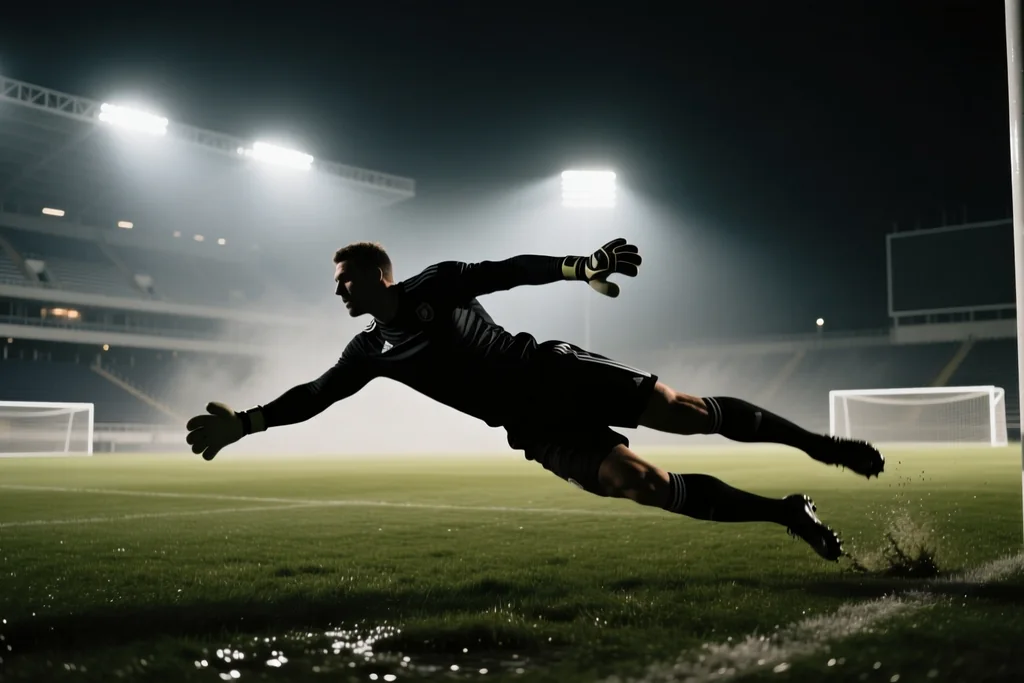
A shoot-out is the shortest route to fame in tournament football. A goalkeeper who saves two penalties in the same shoot-out joins a select list, and the moment is replayed often enough that it becomes the first thing a new audience knows about him.
Analysts treat shoot-out results with caution. Save rates in shoot-outs vary enormously across small samples, and clubs check whether a goalkeeper's technique and decision-making hold across a full season rather than a single evening.
Set pieces as a route to visibility
A defender who attacks set pieces has two ways to be noticed: defending his own box and scoring in the opponent's. Tournament football produces a disproportionate number of goals from dead balls, so set-piece specialists are visible even in low-scoring tournaments.
That cuts both ways. A defender who loses his marker at a corner in a knock-out tie carries that moment for years, regardless of how well he played for the other eighty-nine minutes.
Why clubs trust tournament defending
International football is played at a slower tempo than the biggest club competitions, with fewer transitions and more structured attacks. A defender who reads the game well in that environment is less likely to be exposed by a change of pace in a faster league.
That is also the risk. A player who excels in a deep, organised block may struggle in a side that defends high with a large space behind, which is why scouting reports separate the player from the system he played in.
Breakout stars world cup 2026: five defensive roles that stood out
- Left-footed centre-back in a back three, still the rarest profile in the tournament.
- Sweeper-keeper comfortable defending outside the penalty area against a high line.
- Hybrid full-back who stepped into midfield when his team had possession.
- Set-piece defender responsible for marking the opponent's most dangerous header.
- Third centre-back introduced from the bench to protect a lead in the closing stages of a tie.
The wider pattern of arrivals is covered in the guide to breakout stars of the 2026 World Cup, and the defensive trends continuing into the next cycle are set out in the piece on tactical trends in national teams.
Read next
Breakout Stars World Cup 2026: The New Wave
One summer is enough to change a career. How the breakout stars of the 2026 World Cup entered the conversation.
2026-09-23
How Breakout Stars Get Noticed at a World Cup
Scouts watch group games closely and knockout games obsessively. What actually turns twenty minutes into an offer.
2026-09-17
From Breakout Star to Transfer Target
Tournament form is the most expensive form in football. How a good month resets a price and why clubs hesitate anyway.
2026-08-22