
Pitch design in baseball: how pitchers build new pitches and fool hitters
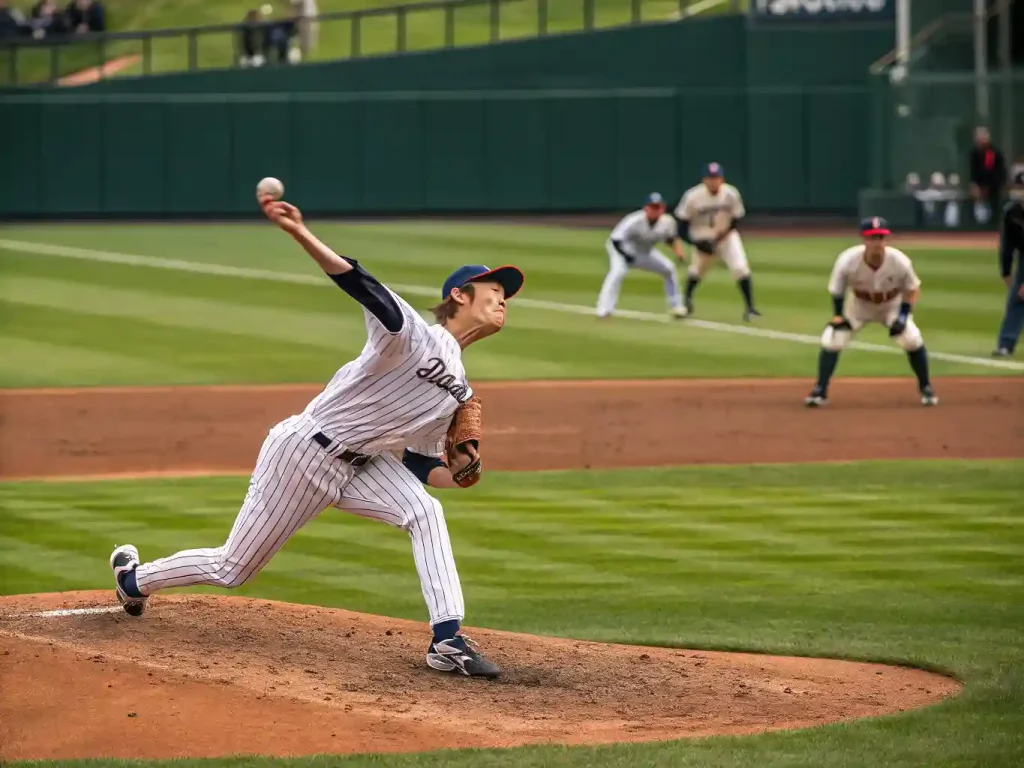
Pitching has always been a blend of strength, feel, courage, and deception. The best pitchers do not simply throw hard or hope a breaking ball bites at the right moment. They shape the ball, read hitters, understand their own bodies, and build a plan that makes every pitch look connected until it is too late for the batter to react. That process is now often called pitch design, but the idea behind it is older than radar systems and high-speed cameras: create pitches that fit the pitcher, tunnel well together, attack the hitter’s weaknesses, and survive under game pressure.
Modern pitch design does not replace instinct. It sharpens it. A pitcher may still describe a slider as “coming off the fingers right” or a changeup as “having good fade,” but now those feelings can be matched with measurable traits: velocity, spin direction, movement, release height, approach angle, and how the ball behaves near the plate. The goal is not to chase pretty numbers. The goal is to build a weapon that earns swings, misses, weak contact, or called strikes in the exact situations where the pitcher needs them.
What pitch design really means
Pitch design is the process of intentionally creating, adjusting, and matching pitches so they work as part of a complete arsenal. It is not just inventing a new breaking ball in a bullpen session. It starts with a simple question: what does this pitcher already do well, and what pitch would make those strengths harder for hitters to handle?
A pitcher with a high release point and a fastball that stays above barrels may benefit from a sharp downer curveball that begins on the same visual line before dropping under the bat. A lower-slot pitcher with arm-side run may need a sweeper that moves across the zone, forcing right-handed hitters to protect the outer edge. A starter who throws many strikes but lacks a swing-and-miss weapon may design a splitter or changeup that gives hitters a different speed and shape without changing the arm action.
The most important part is fit. A pitch can look impressive on a movement chart and still be wrong for the pitcher. If it requires an uncomfortable grip, hurts command, slows the arm, or does not pair with the rest of the arsenal, it may create more problems than it solves. A good pitch is not only a movement profile. It is a repeatable action that the pitcher can throw with conviction when the count is 3-2, the crowd is loud, and the hitter is waiting for a mistake.
Pitch design also forces pitchers to think in combinations. A fastball does not exist alone. Its value changes depending on what comes after it. A four-seam fastball at the top of the zone becomes more dangerous when a curveball starts on the same line and dives below the swing. A sinker becomes more effective when a changeup looks identical out of the hand and fades under the barrel. A cutter can protect a fastball by preventing hitters from leaning over the plate.
This is why the best pitch design often looks subtle from the outside. The pitcher may add only two inches of glove-side movement to a slider, reduce velocity on a changeup by three miles per hour, or adjust a fastball grip to improve ride. Those small changes can change the way a hitter sees the entire at-bat. Baseball is full of tiny timing windows. A small difference in movement, speed, or angle can decide whether the ball is crushed, fouled straight back, rolled over, or missed completely.
How pitchers choose the pitch they need
A new pitch usually begins with a problem. Maybe hitters are sitting on the fastball because the pitcher’s breaking ball is not threatening enough. Maybe opposite-handed hitters are too comfortable because every pitch moves toward the barrel. Maybe the pitcher has a good slider but no slower pitch to disturb timing. Pitch design works best when it solves a real weakness rather than adding variety for its own sake.
The pitcher, coach, and analyst look at the existing arsenal. They study where each pitch starts, how it moves, how often it lands for strikes, and how hitters react. Swing-and-miss rate matters, but so does the quality of contact. A pitch that produces ground balls can be just as valuable as one that misses bats, especially if it helps the pitcher escape trouble with one swing.
The hitter’s perspective is just as important. A pitch may technically move a lot, but if hitters recognize it early, they can take it or attack it. Deception comes from making different pitches look similar long enough to force a late decision. That means the new pitch should ideally share release traits with an existing pitch before separating in speed or movement.
The choice often depends on handedness. A right-handed pitcher facing left-handed hitters may need something that moves away from them, such as a changeup or splitter. A left-handed pitcher facing right-handed hitters may want a cutter that runs in on the hands or a sweeper that begins on the outer third before drifting off the plate. A pitcher who already has a dominant fastball may not need a dramatic breaking ball; a short, firm cutter might be enough to keep barrels away from the main weapon.
There is also the question of role. A reliever can often build around two elite pitches because hitters see him once and must react quickly. A starter usually needs more ways to survive multiple trips through the lineup. The pitch that makes sense for a one-inning power arm may not suit a pitcher who must face the same hitter three times and manage pitch count, fatigue, and command over six innings.
Before a pitch becomes part of the game plan, it has to pass a practical test. Can the pitcher throw it near the zone? Can it be thrown with fastball arm speed? Does it create a different decision for the hitter? Does it protect the other pitches? If the answer is yes, the pitch has a reason to exist.
The science behind movement and deception
Every pitch is shaped by the way the ball leaves the hand. Velocity matters, but movement and perception often matter just as much. Spin, seam orientation, release point, and gravity all influence the path the hitter sees. The hitter has only a fraction of a second to decide whether to swing, where to swing, and how to time the barrel. Pitch design attacks that decision.
A four-seam fastball with strong backspin can appear to stay up longer than the hitter expects. It still drops, because every pitch drops, but it may drop less than the hitter’s brain predicts. That creates swings under the ball, especially at the top of the strike zone. A sinker behaves differently. It usually has more arm-side run and drop, making it useful for ground balls and weak contact when located down or on the edges.
Breaking balls create a different kind of problem. A slider may move sharply to the glove side. A sweeper may travel with more horizontal break, crossing the hitter’s visual lane. A curveball may have more vertical drop, changing eye level. A cutter lives closer to fastball speed but moves just enough to miss the sweet spot. A changeup or splitter attacks timing by looking like a fastball before arriving slower and often lower.
The relationship between pitches matters more than any single pitch in isolation. A hitter is not reacting to a laboratory measurement. He is reacting to what he saw earlier in the count, what the pitcher usually throws in that situation, and what the ball appears to be doing in the first few feet after release.
A good way to understand pitch design is to think of each pitch as a shape with a job. The pitcher is not trying to collect every shape. He is trying to build a set of shapes that cover different parts of the hitting decision.
| Pitch type | Main purpose | Typical design goal | How it fools hitters |
|---|---|---|---|
| Four-seam fastball | Beat bats above the barrel | Strong carry, clean direction, consistent release | Looks hittable, then stays above the swing path |
| Sinker | Create ground balls and early contact | Arm-side run with late drop | Starts in the zone, then moves toward weak contact areas |
| Cutter | Miss barrels and protect the fastball | Small glove-side movement near fastball speed | Looks like a fastball until it cuts away from the sweet spot |
| Slider | Generate chase and swing-and-miss | Sharp glove-side break with usable command | Starts as a strike, then moves away from the barrel |
| Sweeper | Stretch the zone horizontally | Large side movement from a matching release | Forces hitters to cover a wider visual lane |
| Curveball | Change eye level and speed | Clear vertical drop with depth | Begins on a fastball plane, then falls below the bat |
| Changeup | Disrupt timing against opposite-handed hitters | Fastball arm speed with slower velocity and fade | Looks like a fastball early, arrives late and lower |
| Splitter | Create late drop under the zone | Reduced spin, sharp downward action | Disappears beneath the swing after fastball-like release |
The table shows why pitch design is not about naming pitches as much as defining jobs. Two pitchers may both throw a slider, but one slider may act like a short cutter while another behaves more like a sweeping breaking ball. The name matters less than the effect. A pitch earns its place when it creates a decision the hitter cannot comfortably solve.
Deception often comes from late separation. If the fastball, changeup, and slider all reveal themselves immediately, hitters can make confident takes and aggressive swings. If they look similar for the first part of flight, the hitter has to delay recognition. That delay is valuable. Even a tiny hesitation can turn a well-timed swing into a foul ball or a weak grounder.
How new pitches are built in practice
A new pitch usually starts in the hand. Coaches experiment with grip pressure, finger placement, wrist position, and intent. The same grip can behave differently for different pitchers because hand size, finger strength, arm slot, flexibility, and release style are not identical. That is why copying another pitcher’s grip rarely works perfectly. It can be a starting point, but the pitcher has to make it his own.
For a slider, small changes matter. Moving the fingers slightly off-center can change the spin axis. Adjusting pressure between the index and middle finger can make the pitch tighter or wider. Thinking “throw it like a football” may help one pitcher, while another needs to feel like he is pulling down the side of the ball. The language is personal because feel is personal.
For a changeup, the challenge is different. The pitcher wants the ball to come out with fastball arm speed, but with less velocity and a different movement pattern. If the pitcher slows the arm, hitters can see it early. If the grip is too uncomfortable, command suffers. Some pitchers use a circle change, some use a three-finger changeup, and some prefer a modified grip that simply takes speed off while keeping the hand relaxed.
Splitters and forkball-like variations often depend on finger spread and release comfort. They can be devastating when the ball drops late, but they must be managed carefully because not every pitcher’s hand or arm responds well to that grip. A pitch that creates stress or destroys fastball command is not a good trade, even if it looks nasty in one bullpen.
Technology helps shorten the feedback loop. A pitcher can throw a pitch, check the movement, compare it with the intended shape, and adjust immediately. High-speed cameras show whether the ball comes off the fingers cleanly. Tracking systems show movement and velocity. Video shows whether the delivery changed. The pitcher can connect feel with result instead of guessing.
Still, the bullpen is only the workshop. A pitch must survive against hitters. During live batting practice or minor-league outings, the pitcher learns whether hitters recognize the pitch, whether it can land in the zone, and whether it works when the hitter is not fooled by surprise. Some pitches look perfect in training but fail because hitters see them too early. Others look ordinary on a chart but play well because they fit the pitcher’s delivery and tunnel with another pitch.
The best development process is patient but honest. A pitcher may need weeks or months to trust a new pitch. At the same time, not every experiment deserves endless time. If the pitch does not solve the original problem, it should be changed, simplified, or abandoned.
How pitchers use tunneling to fool hitters
Pitch tunneling is the art of making different pitches look the same for as long as possible. The hitter sees the release, tracks the ball, and starts building a prediction. If two pitches travel through a similar early window before breaking in different directions, the hitter is forced into uncertainty. That uncertainty is one of the pitcher’s greatest weapons.
A high fastball and a sharp curveball can tunnel well because both may begin on a similar upward visual line. The hitter sees something that resembles a fastball near the top of the zone, but the curveball drops under the bat. A sinker and changeup can pair naturally because both may show arm-side movement, but the changeup arrives slower and lower. A cutter and slider can create a glove-side family, where one pitch stays near the zone and the other moves farther away.
Tunneling is not only about movement. It depends on release point, speed gap, pitch sequence, and location. If a pitcher releases the changeup from a noticeably different slot, hitters may pick it up. If the slider pops out of the hand with a visible spin cue, the tunnel breaks early. If the pitcher always throws the same pitch in the same count, the hitter may not need perfect visual recognition because the pattern gives it away.
Good tunneling makes the hitter protect more space than he wants to protect. A batter may be ready for a fastball at the top of the zone, but he also has to respect the breaking ball that starts there. He may want to take the slider off the plate, but he cannot ignore the cutter that begins on the same line and catches the edge. The pitcher is not just throwing pitches. He is creating doubt.
Several details make tunneling more effective:
- The pitches should come from a similar release window.
- The early ball flight should look close enough to delay recognition.
- The speed difference should support the intended reaction.
- The location plan should make the hitter believe the pitch can be a strike.
- The sequence should avoid obvious patterns.
- The pitcher must be able to throw the paired pitches with conviction.
These details explain why deception is built over an entire at-bat. A perfectly designed pitch loses value if it is thrown without purpose. A less dramatic pitch can become dangerous when placed after the right setup. The hitter’s memory matters. A fastball for a called strike changes how the next breaking ball is seen. A changeup that fades below the zone changes how the next sinker is attacked.
The best pitchers understand that tunneling is not magic. It is a disciplined way of making the hitter choose before the truth is clear. The pitch that gets the strikeout may be the slider, but the fastball before it may have done half the work.
How pitchers adapt when hitters adjust
Hitters are not passive targets. They study movement profiles, scouting reports, release tendencies, and count patterns. If a pitcher adds a new sweeper and dominates for a month, opponents will adjust. They may stop chasing it, look for it in certain counts, or force the pitcher to prove he can land it for a strike. Pitch design is therefore not a one-time project. It is an ongoing conversation between pitcher and league.
A pitch may need small adjustments during the season. A slider that once had tight break may become too sweepy and miss the zone. A changeup may become too firm and drift into barrels. A fastball may lose shape if the delivery changes. Coaches watch for these changes because the pitcher may feel normal while the pitch is no longer behaving the same way.
Game planning also changes. If hitters start taking the sweeper away, the pitcher may steal early-count strikes with it instead of using it only as a chase pitch. If hitters sit on the cutter, the pitcher may use more backdoor sliders or elevate the fastball. If opponents are attacking the first pitch, the pitcher may open with secondary pitches that look like strikes before leaving the barrel.
The mental side matters here. Some pitchers fall in love with a new pitch and overuse it. Others abandon a pitch too quickly after one bad outing. The mature approach is to judge the pitch by process and role. Was it thrown to the right location? Did it create the intended reaction? Was the sequence sound? Did the hitter make a good swing on a good pitch, or did the pitcher miss badly?
Pitch design also has to respect health and workload. A pitch that requires extreme wrist action or creates discomfort is not sustainable. A starter may need to preserve his best breaking ball for certain situations rather than max-effort snapping it dozens of times. A reliever may be able to lean harder into one elite shape, but even then, repeatability matters.
The best arsenals continue to evolve without losing identity. A pitcher should know who he is. If his fastball is the foundation, the secondary pitches should protect it. If movement and command are his strengths, he may need several pitches that change shapes and speeds. If deception is his edge, he must guard release consistency and sequencing. New pitches should expand the identity, not confuse it.
Why pitch design has changed baseball
Pitch design has changed how pitchers develop because it gives them clearer language for improvement. In the past, a pitcher might be told that his breaking ball needed to be sharper, but that advice could mean many things. Now the pitcher can identify whether the pitch needs more velocity, less vertical drop, more horizontal movement, a different release, or a better location strategy. The work becomes more specific.
It has also changed how organizations evaluate talent. A pitcher with ordinary results may have one pitch trait that can be developed into a real weapon. A minor adjustment to grip or usage can unlock performance that was hidden. This is why some pitchers make sudden jumps after changing teams or joining a coaching staff that understands how their arsenal should work.
At the same time, pitch design can be misunderstood. More movement is not always better. A breaking ball that moves too much may be easier for hitters to take. A fastball with impressive shape still needs command. A new pitch that looks exciting in a bullpen may not help if the pitcher cannot throw it in the zone. Data gives direction, but the game still punishes mistakes.
The human part remains central. The pitcher must feel the pitch, trust it, and execute it under pressure. The catcher must understand when to call it. The coach must know whether to push an adjustment or leave a good thing alone. The hitter must be studied as a real opponent, not just a weakness on a chart.
Pitch design is powerful because it connects craft with evidence. It respects the old truth that pitching is about upsetting timing and changing sightlines, while adding better tools to shape those effects. The pitcher who masters it does not need to throw every pitch in baseball. He needs the right pitches, moving in the right directions, appearing from the same tunnel, and arriving with enough conviction to make the hitter doubt what he sees.
A great pitch is not only the ball that breaks the most or lights up a tracking system. It is the pitch that belongs to the pitcher, fits the plan, and wins the moment. That is why pitch design has become one of the most important skills in modern baseball. It turns raw ability into a sharper form of deception, and it gives pitchers a way to keep evolving in a sport where hitters are always learning back.