
Baseball at Heritage High School: Gear, Nutrition, and Game Preparation
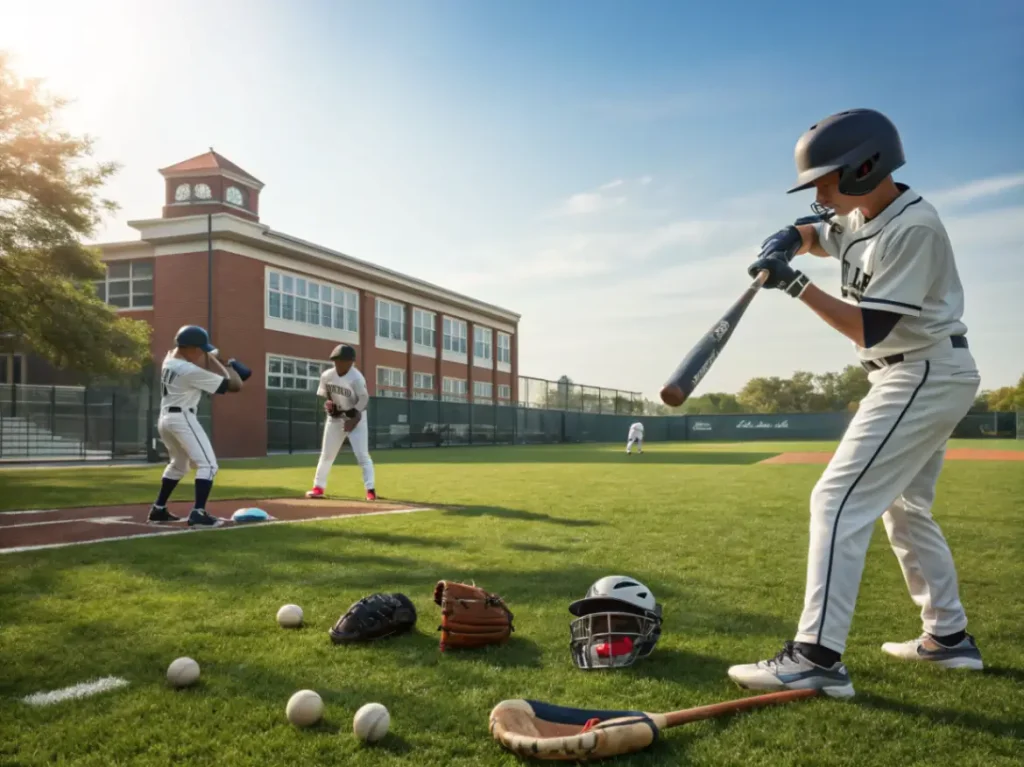
Baseball at Heritage High School is more than an after-school activity. It is a structured program built on discipline, teamwork, physical conditioning, and smart preparation. Whether you are a freshman trying out for junior varsity or a senior preparing for college recruitment, understanding the fundamentals of baseball gear, sports nutrition, and pre-game routines can significantly improve your performance. This guide covers essential baseball equipment, high school baseball nutrition plans, strength and conditioning basics, and practical tips for preparing for competitive games during the season.
Essential Baseball Equipment for High School Players
Choosing the right baseball equipment for high school athletes directly impacts safety, confidence, and performance on the field. At Heritage High School, players are expected to meet team standards while also personalizing certain items for comfort and fit. Properly fitted gear reduces injury risk and supports consistent mechanics.
The most important piece of equipment is the baseball glove. Infielders typically prefer smaller gloves for faster transfers, while outfielders use longer models for extended reach. Catchers require specialized mitts with additional padding, and first basemen use uniquely shaped gloves designed for scooping throws. Selecting the correct glove size based on position and hand strength is crucial for skill development.
Baseball bats are another major consideration. Many high school leagues follow BBCOR standards, so players must use approved bats. The drop weight, barrel size, and balance point influence swing speed and control. A well-balanced bat allows hitters to maintain proper mechanics while generating power through efficient hip rotation.
Protective gear should never be overlooked. Batting helmets with proper certification, mouthguards if required, sliding shorts, and athletic cups all contribute to player safety. Catchers need chest protectors, shin guards, and masks that meet current safety regulations. Cleats also deserve attention. Molded cleats are common in high school baseball because they provide traction while reducing the risk of ankle injuries compared to metal spikes in certain divisions.
Maintaining equipment is just as important as selecting it. Gloves should be conditioned regularly, cleats cleaned after muddy games, and helmets inspected for cracks. Players who treat their gear professionally develop habits that carry into advanced levels of competition.
High School Baseball Gear Checklist and Seasonal Planning
Preparing for a full baseball season at Heritage High School requires planning beyond just buying a glove and bat. Players benefit from creating a complete baseball gear checklist before tryouts begin. This ensures they are not scrambling to replace missing items during critical practice weeks.
Before reviewing the checklist, it helps to understand how equipment needs can shift during the season. Early preseason practices may require cold-weather layers, while mid-season games demand lighter, breathable fabrics for hot afternoons. Being proactive prevents distractions and allows athletes to focus on skill development.
Below is a practical overview of essential high school baseball equipment and seasonal considerations:
| Equipment Item | Primary Purpose | Replacement Frequency |
|---|---|---|
| BBCOR Bat | Regulated game hitting tool | Every 1–2 seasons if worn |
| Fielding Glove | Defensive play and ball control | 2–4 seasons with maintenance |
| Batting Helmet | Head protection during at-bats | Replace after major impact |
| Cleats | Traction and stability | Each season if heavily used |
| Practice Apparel | Comfort and mobility | As needed |
| Catcher’s Gear | Full-body protection | Inspect annually |
This table serves as a structured baseline. After reviewing it, players should adjust according to position, growth, and league requirements. Freshmen often experience rapid physical development, meaning glove size or bat length may need updating mid-season. Coaches at Heritage High School typically advise athletes to test equipment in practice before committing to a full game schedule with new gear.
Proper planning reduces financial stress for families and ensures athletes remain focused on performance rather than logistics.
Baseball Nutrition Plan for Peak Performance
Performance on the baseball field depends heavily on nutrition. High school baseball players need balanced meals that support strength training, endurance, and recovery between games. Unlike short-duration sports, baseball demands sustained concentration over multiple innings, which requires stable energy levels.
Before diving into specific strategies, it is important to understand that baseball nutrition should prioritize complex carbohydrates, lean protein, and healthy fats. Hydration also plays a central role, especially during spring and early summer tournaments.
A simple but effective daily structure for student-athletes may include:
- Oatmeal with fruit and eggs for breakfast.
- Grilled chicken, rice, and vegetables for lunch.
- Greek yogurt or a protein smoothie before practice.
- Lean beef or fish with sweet potatoes after games.
- Consistent hydration with water and electrolyte drinks.
These foods provide steady glucose for brain function, muscle repair through protein synthesis, and essential micronutrients for immune support. After reviewing this list, players should remember that consistency matters more than occasional “perfect” meals. Skipping breakfast or relying on processed snacks before games often leads to fatigue by the fifth or sixth inning.
Pre-game meals should be consumed two to three hours before first pitch. Heavy, greasy foods slow digestion and reduce agility. A light carbohydrate-focused snack, such as a banana with peanut butter, can help maintain energy levels without causing discomfort.
Recovery nutrition is equally important. Within 30 to 60 minutes after a game, players should combine protein and carbohydrates to accelerate muscle repair. Chocolate milk, turkey sandwiches, or balanced recovery shakes are practical options for busy students balancing academics and athletics.
Strength and Conditioning for High School Baseball
Baseball strength training for high school athletes must emphasize mobility, core stability, and rotational power. At Heritage High School, conditioning programs are typically designed to prevent overuse injuries while building explosive athleticism.
Pitchers require special attention to shoulder health. Rotator cuff strengthening, scapular stability exercises, and controlled throwing progressions reduce strain across a long season. Hitters benefit from medicine ball rotations, lower-body strength work, and hip mobility drills that support bat speed.
A balanced weekly program might include three core components. First, lower-body strength exercises such as squats and lunges build the foundation for sprint speed and base running. Second, upper-body pulling movements like rows enhance posture and reduce shoulder stress. Third, agility drills improve reaction time and lateral movement, which are essential for infielders and outfielders alike.
Recovery days are not optional. Stretching, foam rolling, and adequate sleep help athletes avoid fatigue-related injuries. High school players often underestimate the impact of sleep on reaction time and cognitive decision-making. A consistent eight-hour sleep schedule enhances focus during close plays and late-game pressure situations.
Conditioning should be progressive rather than extreme. Sudden spikes in workload, especially during preseason, frequently lead to muscle strains. Coaches typically monitor throwing volume to ensure pitchers gradually build arm endurance.
Mental Preparation and Game-Day Routine
Physical preparation is only part of success in high school baseball. Mental preparation determines how athletes respond to adversity, errors, and high-pressure moments. Developing a consistent pre-game routine improves confidence and focus.
At Heritage High School, experienced players often follow a structured game-day schedule. They arrive early, stretch thoroughly, take controlled batting practice, and visualize successful plays. Visualization techniques involve mentally rehearsing fielding ground balls, making accurate throws, or driving line shots into the outfield.
Breathing exercises can reduce pre-game anxiety. Slow, controlled breaths lower heart rate and help athletes remain composed before stepping into the batter’s box. Coaches frequently remind players to focus on controllable factors such as effort, communication, and positioning rather than scoreboard pressure.
Another essential mental skill is short-term memory. Baseball is a sport of failure, and even elite hitters do not succeed every at-bat. Learning to reset mentally after an error prevents one mistake from affecting the rest of the game. Team captains often reinforce positive communication to maintain morale during challenging innings.
Consistent routines signal readiness to the brain. When players repeat the same warm-up process before each game, they create a psychological anchor associated with performance. Over time, this routine strengthens competitive resilience.
Preparing for Competitive High School Baseball Games
Game preparation extends beyond the field. Academic planning, travel logistics, and weather awareness all influence performance. Heritage High School athletes must balance homework deadlines with practice schedules. Time management skills reduce stress and free mental space for competition.
The night before a game, players should pack equipment bags carefully. Double-checking batting gloves, belts, and water bottles eliminates last-minute distractions. Reviewing scouting information about opposing pitchers or hitters can provide a strategic advantage.
On game day, light mobility work in the morning keeps muscles active without causing fatigue. Proper hydration should begin early rather than minutes before warmups. Coaches often emphasize communication during pre-game meetings, outlining defensive alignments and situational strategies.
During the game itself, adaptability matters. Weather conditions such as wind direction or wet grass may require defensive adjustments. Players who remain attentive and flexible are better positioned to make quick decisions.
After the final out, preparation continues. Reflecting on strengths and areas for improvement supports long-term development. Many successful high school athletes keep performance journals to track hitting consistency, pitching velocity, or defensive efficiency.
Baseball at Heritage High School represents an opportunity for growth in athletic skill, personal discipline, and teamwork. By investing in proper baseball equipment, following a structured sports nutrition plan, committing to strength and conditioning, and refining mental preparation strategies, student-athletes position themselves for sustained success. Each season builds not only competitive ability but also character and leadership qualities that extend beyond the diamond.