
World Cup 2026 Venues: The 16 Host Cities
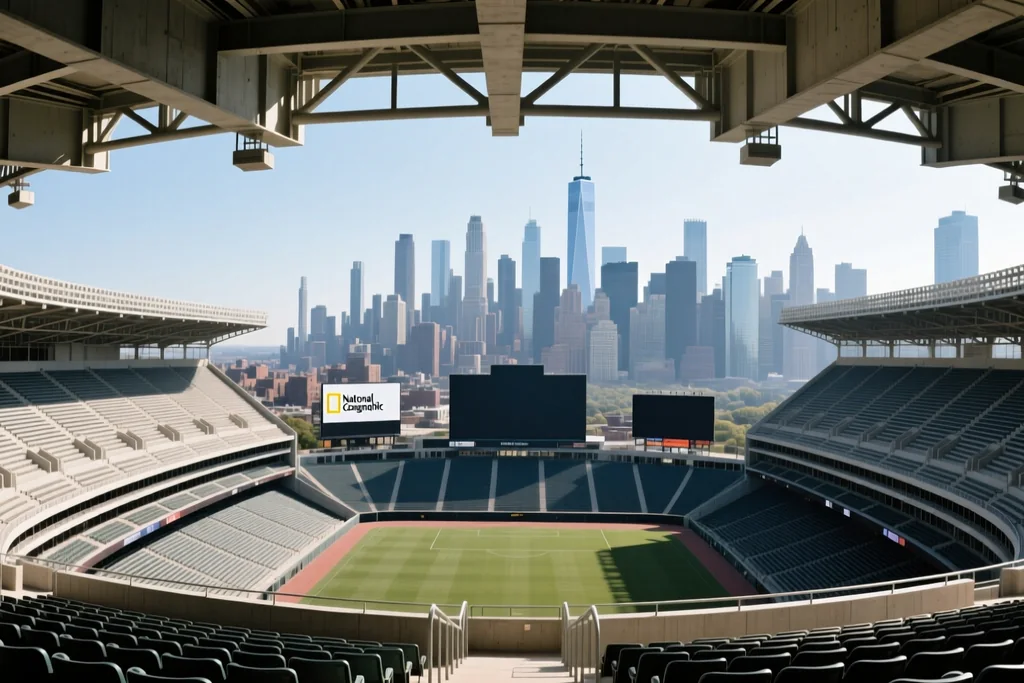
World Cup 2026 venues were spread across sixteen host cities across three countries, from Mexico City and Guadalajara in the south to Toronto and Vancouver in the north. The venue list was published years before the tournament, and it shaped everything that followed: travel, ticketing, kick-off times and the way teams planned a summer.
Venue selection is never only about capacity. Climate, altitude, pitch dimensions and the distance between cities all influence how a tournament feels, and in 2026 those variables were spread across an unusually wide map.
World Cup 2026 venues: the three national clusters
Eleven venues were in the United States, three in Mexico and two in Canada. That distribution reflected the size of the participating markets rather than the geography of the competition, and it produced a schedule weighted towards the south and east of the United States.
For the group stage, teams were generally assigned to one cluster and played their three matches within it. The arrangement reduced long flights and gave supporters the option of following a team for a week without crossing a continent.
World Cup 2026 venues list: altitude, heat and climate
Mexico City sits above 2,200 metres, Guadalajara and Monterrey are high by coastal standards, and several United States venues are exposed to summer heat that regularly climbs past 35 degrees Celsius in late June and July.
Heat management drove kick-off scheduling as much as television did. Matches in the hottest cities were placed later in the evening where the calendar allowed, and cooling breaks became routine rather than exceptional.
Venue types and what they change
The 2026 venue list mixed purpose-built modern stadiums with older, larger grounds and at least one venue hosting football in a configuration it does not use every week. Each type brings a different atmosphere and a different set of practical problems.
| Characteristic | Effect on the tournament |
|---|---|
| Very large capacity | Bigger crowd totals, longer ingress times before kick-off |
| Retractable roof | Heat and rain removed as a variable for the match itself |
| Natural grass relaid | Pitch quality depends on a short installation window |
| High altitude | Different ball flight and recovery demands for visiting squads |
| Artificial turf converted | Requires a full grass installation and drainage rebuild |
| Downtown location | Transport load shifts from car parks to public networks |
The pitch question mattered most. Several venues that normally play on artificial surfaces were converted to grass for the tournament, which requires a growing period, a drainage layer and a maintenance team on site throughout.
World Cup 2026 venues map: travel distance as a tactical factor
Distance between fixtures is measured in hours, and hours translate into recovery time. A squad that moved from the Pacific coast to the eastern seaboard between matches lost most of a day to travel, while a squad staying inside one cluster lost almost none.
Federations planned accommodation, training bases and recovery facilities around the draw for exactly that reason. In a 39-day tournament with an extra knockout round, an extra three hours of flying per match is a measurable disadvantage.

Pitch dimensions and playing surfaces
Pitch size is a detail until it affects a style of play. Venues ranged from narrow grounds that compress midfield space to wide pitches that reward teams who switch the ball quickly, and analyst teams logged the differences before travelling.
Surface preparation was the other variable. Stadiums that regularly host other sports required a full grass installation with a drainage layer beneath, and the installation window was short enough that standards varied between venues.
Supporters and the city experience
Host cities were chosen with a fan footprint in mind, not only a pitch. Downtown venues place supporters in existing transport and hospitality networks, while out-of-town stadiums require shuttle systems that must move tens of thousands of people in a narrow window.
Fan festivals, transport passes and city-specific match-day rules differed from venue to venue. For travelling supporters, the practical guide to a tournament was less about the football and more about which city they were in on which date.
Five numbers from the venue map
- 16 host cities, spread across three countries and three time zones.
- 11 venues in the United States, the largest share of any host nation.
- 2,200+ metres of altitude at the highest venue, the Estadio Azteca.
- 39 days between the opening match and the final, the longest tournament window in the modern era.
- 3 host nations, the largest co-hosting arrangement in World Cup history.
The tri-host structure behind those venues is explained in the piece on World Cup 2026 in three countries, and the crowd totals the venues produced are compared with historic records in the World Cup attendance review.
Read next
World Cup 2026 Review: The 48-Team Format Explained
Twelve groups, 104 matches and a round of 32: how the expanded World Cup 2026 format changed the shape of the tournament.
2026-09-24
World Cup 2026 Bracket: From 12 Groups to the Final
A round of 32 for the first time: how the World Cup 2026 bracket is built and why third place mattered more than ever.
2026-09-18
World Cup 2026 Standings: How the Groups Are Ranked
Points first, then goal difference, then the detail nobody reads until it decides a place: how World Cup standings are actually settled.
2026-09-12