Coach and Future Athlete: Solving Communication Problems
A strong relationship between a coach and a young athlete is the foundation of long-term sporting success. For a future athlete to achieve high results, the coach needs more than technical knowledge: they must be able to listen, stay calm in difficult situations, and adapt their approach to the personality of each player. So what should the work of a coach and a developing athlete actually be based on?
Sports psychologists who work with youth teams consistently point to five pillars: communication, respect, trust, support, and healthy parental involvement. Each of them can be built deliberately — and each of them can quietly collapse if nobody pays attention.
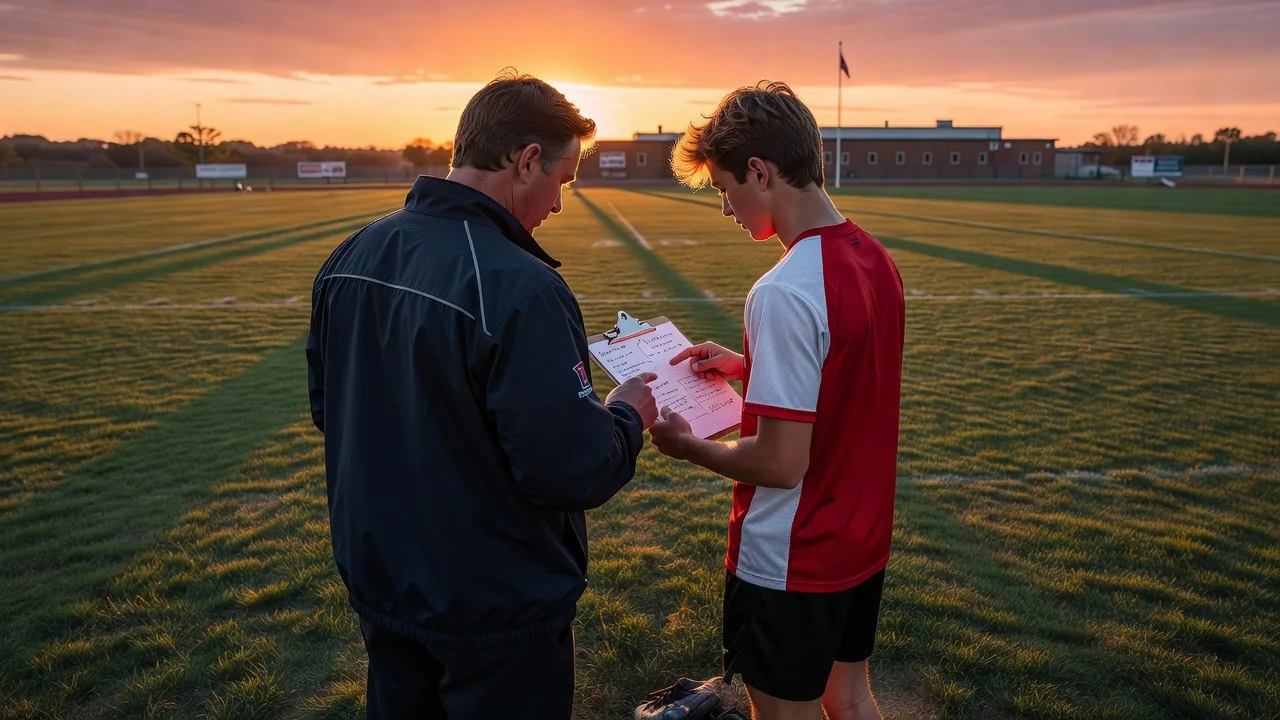
The Five Pillars of the Coach–Athlete Relationship
1. Communication
- Talk openly and honestly with your coach.
- Discuss your goals, expectations, and any concerns you may have.
- Listen carefully to your coach and follow instructions.
- Ask questions if you do not understand something.
2. Respect
- Respect your trainer and their expertise.
- Be punctual and disciplined.
- Work hard at practice.
- Be courteous and friendly with your coach and other athletes.
3. Trust
- Trust your coach and their methods.
- Remember that the coach wants to help you.
- Be prepared for the coach to criticise you.
- Take criticism as an opportunity for growth.
4. Support
- Support your coach at competitions and other events.
- Thank your coach for their help and support.
- Show your coach that you appreciate their work.
5. Parents
- Parents should support their child's relationship with the coach.
- Parents should be polite and friendly with the coach.
- Parents should not interfere with the coach's work.
- Parents should discuss any problems with the coach directly.
Building a good relationship with the coach is important to the athlete's success. A good coach can help an athlete reach their goals, develop their potential, and become the best they can be. Additional habits help too: talk to other athletes about their relationship with their coach, ask for regular feedback on your performance, and remember that building this relationship is a two-way process.
Why Adolescence Makes It Harder
Adolescence is a time when the relationship with a coach can be particularly challenging. On the one hand, teenagers are striving for autonomy and independence. On the other hand, they are not yet experienced enough and need guidance and support. This tension typically leads to three recurring problems:
| Problem | How it shows up | What helps |
|---|---|---|
| Misunderstandings | Teens misinterpret the coach's words; coaches miss the teen's real needs and feelings | Short one-to-one check-ins after practice, clear and concrete instructions |
| Conflicts | Arguments, refusal to follow instructions; overly strict or critical coaching | Agreed team rules, calm private conversations instead of public criticism |
| Decreased motivation | Loss of interest without support; coach frustration over low commitment | Positive reinforcement, visible short-term goals, celebrating small wins |
So How Can Communication Be Improved?
From the coach's side
- Create an atmosphere of trust and respect.
- Be attentive to the feelings and needs of the adolescent.
- Use positive motivation.
- Explain your decisions and give the adolescents a voice.
From the athlete's side
- Be open and honest with your coach.
- Listen carefully and follow instructions.
- Ask questions if you do not understand something.
- Work hard at practice.
From the parents' side
- Support your child's relationship with the coach.
- Be polite and friendly with the coach.
- Do not interfere with the coach's work.
- Discuss any problems with the coach directly.
None of this requires special talent — only consistency. Athletes who invest in the relationship with their coach get more individual attention, more honest feedback, and a far better environment for growth. Be willing to put in the effort, and you will build a strong and fruitful partnership that lasts well beyond a single season.